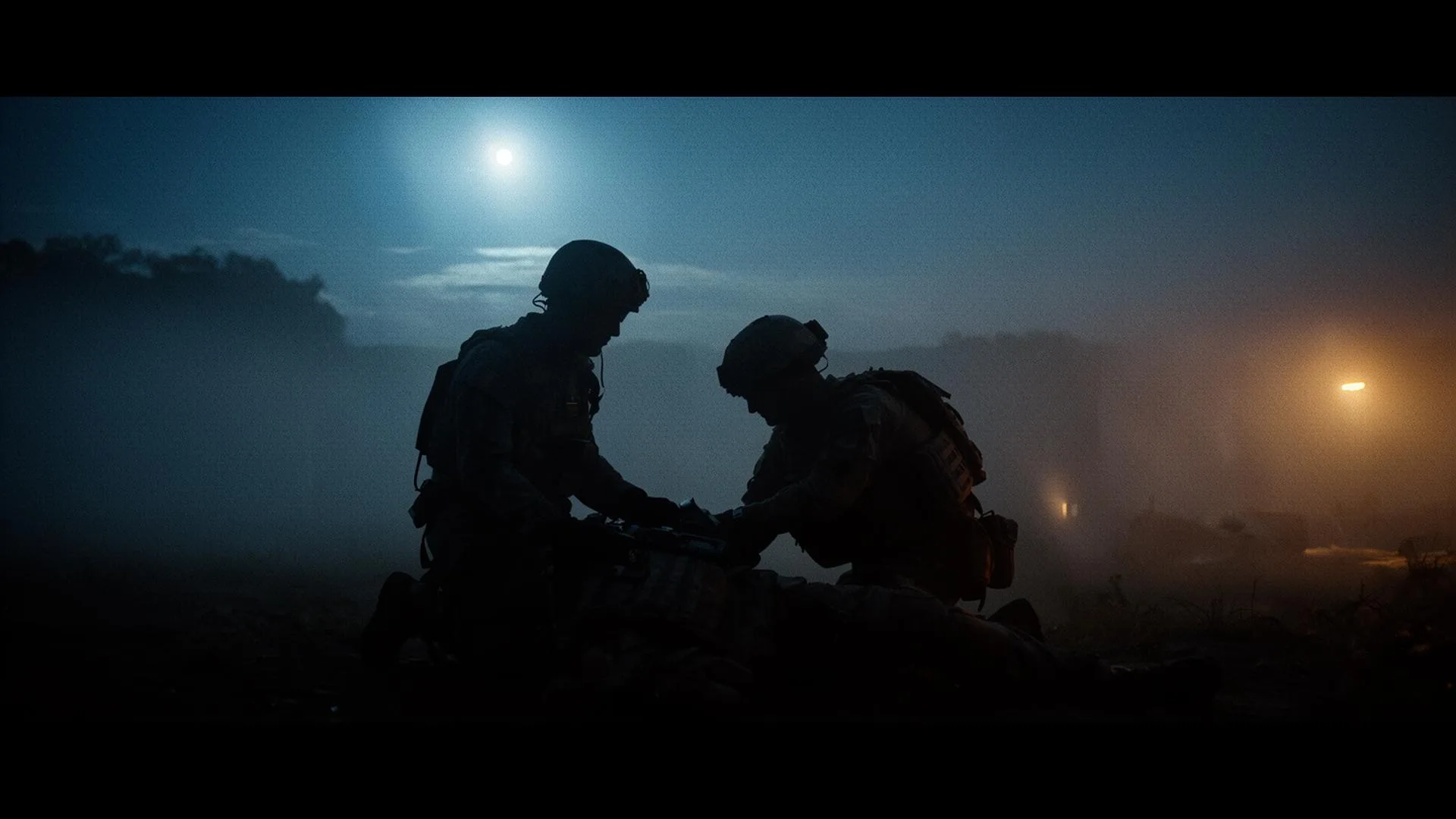
When seconds decide outcomes,
access cannot fail.
Medical identity. Resident on the soldier. Readable in seconds. Present without infrastructure.
Combat care begins where the network ends.
The first sixty seconds after injury determine survival. In those seconds, the network is unavailable, the records are inaccessible, and the medic is deciding without context.
No uplink.
Centralized systems depend on connectivity that does not exist forward of Role 1.
No integration.
Records are scattered across incompatible systems and roles of care.
No time.
Every second spent retrieving data is a second taken from the patient.
Medical data was built for hospitals.
Combat medicine happens somewhere else.
Hospital systems assume infrastructure. The battlefield assumes none. Between the point of injury and definitive care, the network is absent, the records are unreachable, and the decision cannot wait.
This is not a gap in deployment. It is a gap in design.
The patient-side identity layer.
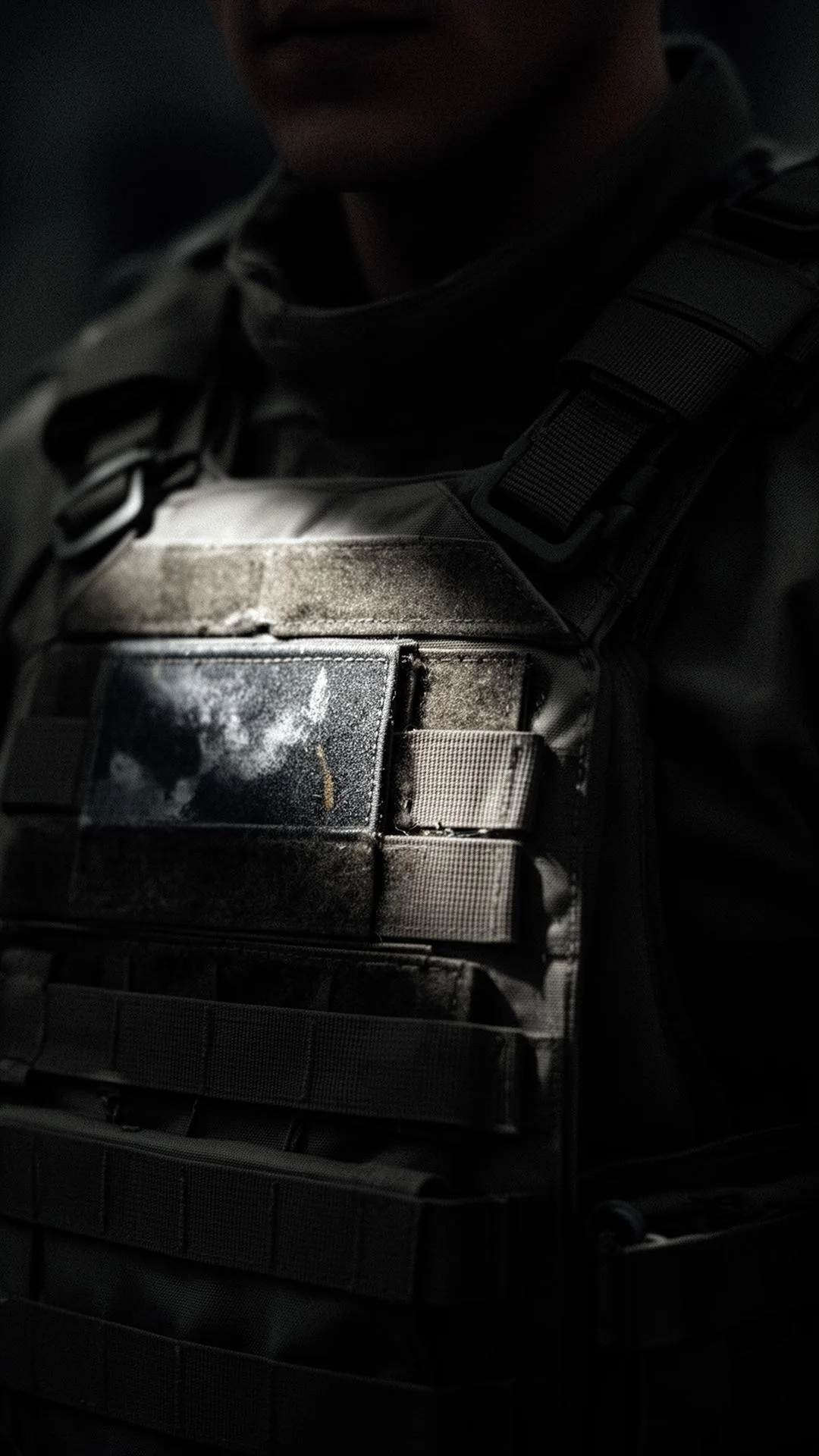
A modular, body-worn system. Readable by the medic in seconds. Functional without connectivity, without power, without prior pairing.
Identity is not stored at a distance. It is carried on the soldier, and it moves with them from point of injury through definitive care.
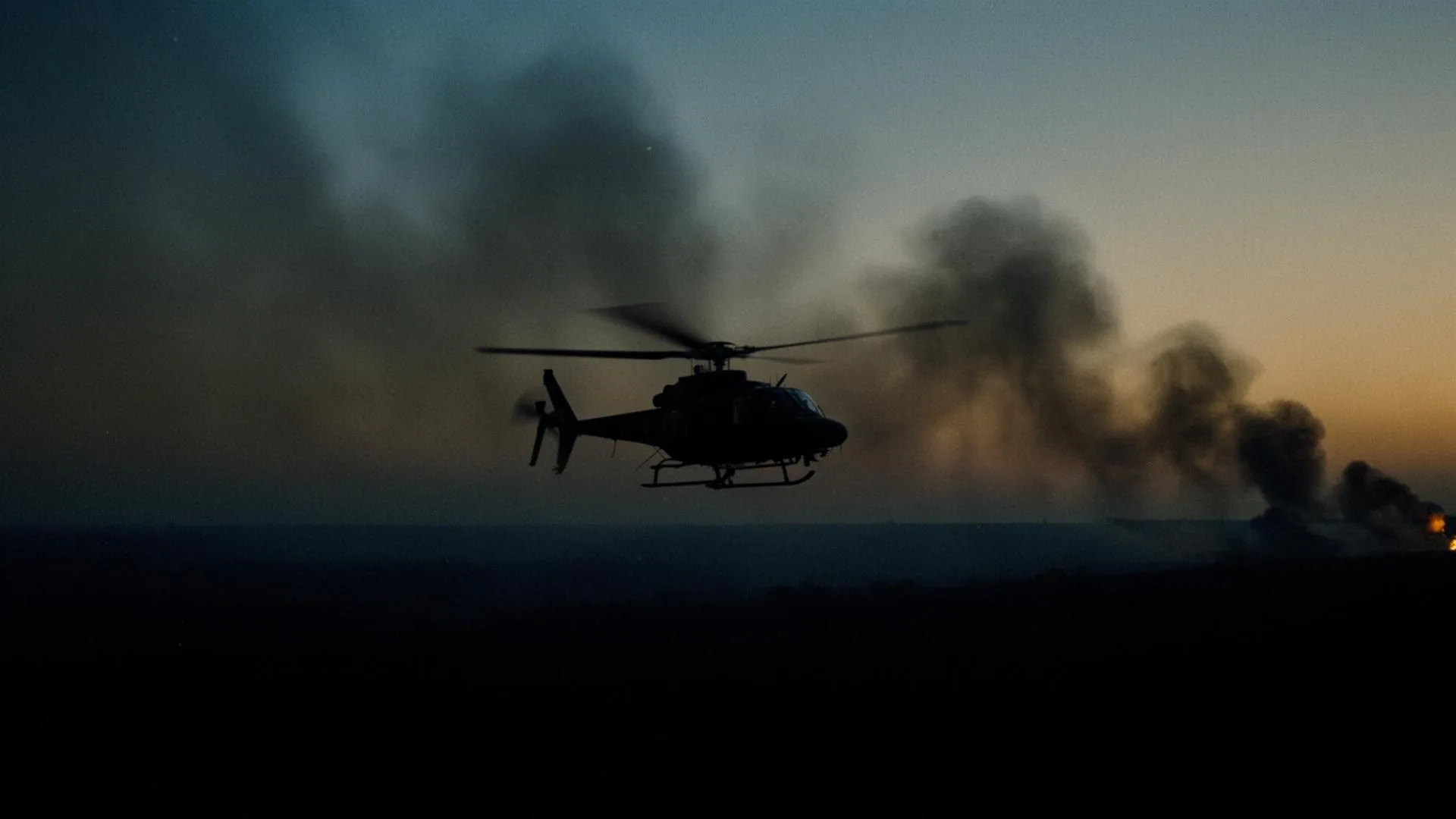
One continuous chain.
Point of injury.
Identity and baseline, available in seconds. No connection. No account. No delay.
Evacuation.
Data moves with the patient. Sync resumes when comms allow.
Receiving care.
The hospital is already preparing. Treatment begins before arrival.
From reaction to readiness.
“The right medical information, in the right hands, at the moment it saves a life.”
Designed from the edge.
- 01Offline-first. Every function survives without connectivity.
- 02Infrastructure-independent. No dependency on central systems, power, or accounts.
- 03Coalition-interoperable. Readable by partner forces, allied medics, civilian responders.
- 04Point-of-care trusted. Cryptographically authenticated. Individually revocable.
Operational advantage begins with information.
Aligned with combat casualty care doctrine. Designed for deployment, not demonstration. Interoperable with existing medic-side tools, including JOMIS-approved point-of-injury systems.
The identity substrate for global medical access.
Starts where failure is most expensive. Scales to emergency response, remote care, disaster medicine, and civilian health identity. A foundational layer, not an incremental improvement.
Israel. IDF tactical, combat and special projects technology experience. In development with veterans of Duvdevan (Unit 217), Caracal (Battalion 33) and Units 81 / 8200.
Carried on the soldier.
Readable in seconds.
Present when it matters.
ONE IDENTITY · ALWAYS ACCESSIBLE
Engagement is by invitation.
Briefings are private. We engage with a limited number of defense, medical, and investment partners, and only where the problem is understood.